How Auto Loan Refinancing Can Accelerate Your Debt Reduction Strategy
Use your savings to pay off other loans faster.
Published Monday, May 4, 2026
Auto loan debt is one of the largest non-mortgage liabilities many households carry. In fact, as of early 2025, Americans owe about $1.66 trillion in auto loans, making up roughly 9% of all U.S. consumer debt.
Managing this debt efficiently is crucial. Understanding how to use auto loan refinancing to lower debt can be a key part of a broader plan for financial health.
When done strategically, refinancing your car loan can support debt reduction strategies by:
- reducing interest costs
- freeing up cash
- giving you more control over your monthly budget
What Is Auto Loan Refinancing?
Auto loan refinancing simply means replacing your current car loan with a new one—ideally with a lower interest rate, more favorable term, or monthly payment that better fits your budget.
Some borrowers refinance to lower their monthly payments, while others want to shorten the loan term to reduce the total interest paid over time. Refinancing could not only save you money but also align your auto loan with your overall financial goals.
Why Auto Loan Refinancing Matters in Debt Reduction Strategies
Refinancing your auto loan can play a significant role in debt reduction strategies. Here’s how:
Lower Interest Costs Free Up Cash
Even a small reduction in your interest rate can save hundreds—or even thousands—over the life of your loan. This extra money can be applied to higher interest debts, which is a core part of how to use auto loan refinancing to lower debt.
Improved Monthly Cash Flow
Struggling with high monthly payments? Refinancing can reduce your payments and make budgeting easier. Increased cash flow means you’re less likely to miss payments, protecting your credit score and financial stability.
Shorter Loan Terms Reduce Long-Term Costs
If your budget allows, refinancing into a shorter term can accelerate payoff and reduce total interest. This creates momentum in your broader debt reduction strategy.
Better Terms with Improved Credit
Your credit score may improve over time. Borrowers who refinance later often secure more favorable rates than when they first financed their vehicle. Veridian Credit Union helps members understand their options so they can get the best possible terms.
How to Use Auto Loan Refinancing to Lower Debt
If you’re exploring how to use auto loan refinancing to lower debt, one of the simplest starting points is focusing on your monthly payment. By securing a lower interest rate or extending the loan term, your monthly obligations decrease.
This can make a real difference if you’re juggling multiple debts or trying to build an emergency fund.
Lower payments not only improve your day-to-day budget, they also free up resources to accelerate debt repayment elsewhere—whether that’s tackling credit card balances or student loans. This approach reinforces your overall debt reduction strategy.
Key Factors to Consider Before Refinancing
Before refinancing, it’s important to review your loan carefully.
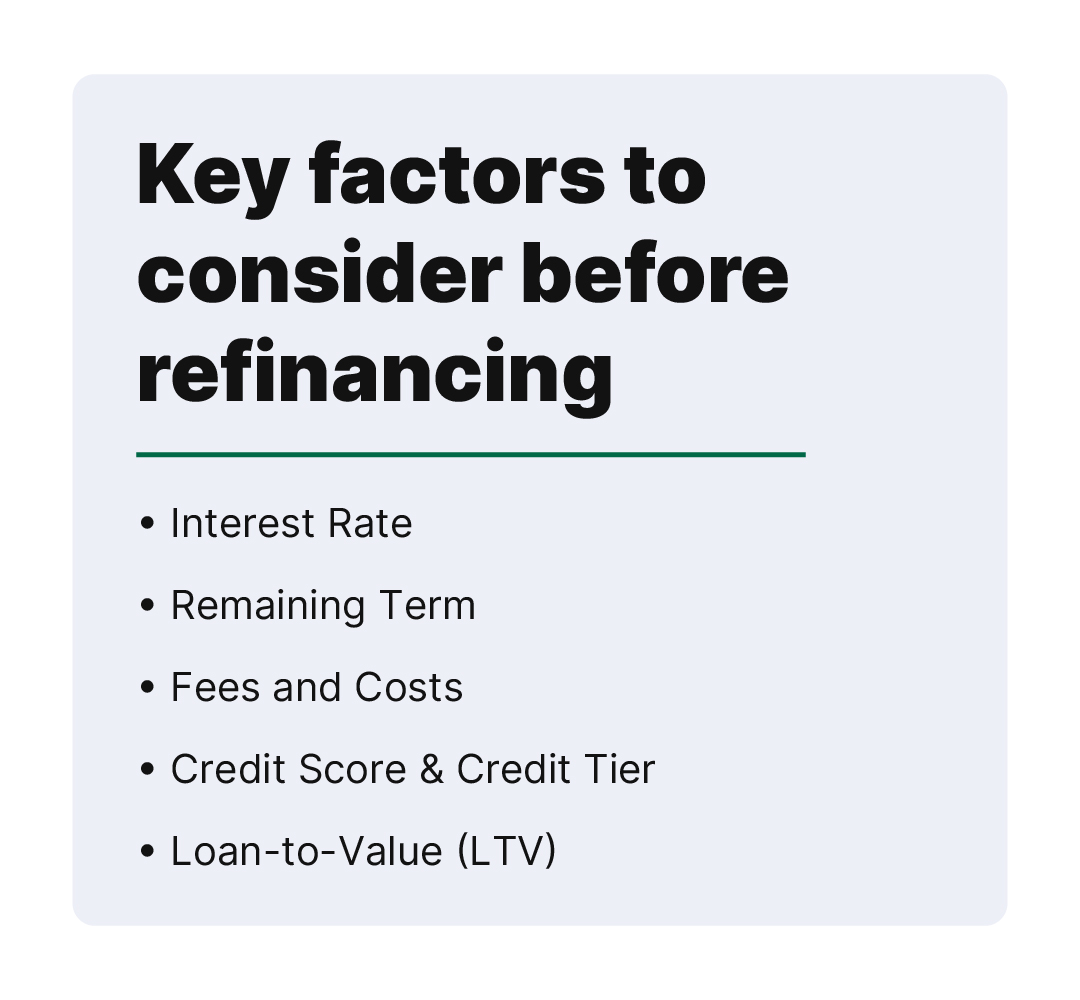
- Interest rate: How much lower is the new rate compared to your current loan? Even a 1% reduction can have a big impact.
- Remaining term: A longer term may reduce monthly payments but increase total interest. A shorter term reduces total cost.
- Fees and costs: Be aware of any title transfer fees, refinancing fees or prepayment penalties.
- Credit score and credit tier: Improved credit scores can help you get better rates.
- Loan-to-value (LTV): If your vehicle’s value is less than your current loan balance, refinancing may be harder or more costly.
How Auto Loan Refinancing Fits into a Debt Reduction Plan
Here’s how to integrate refinancing into your broader debt reduction strategy:
List and Prioritize Debts
Catalog your debts, including:
- auto loans
- credit cards
- student loans
- high-interest obligations
Evaluate Your Refinancing Options
Compare current rates, terms, and payoff amounts to model how a refinance affects monthly payments and total interest.
Decide Trade-Offs
Lower monthly payments? A longer term might help. Reduce total interest? A shorter term may be better even with higher payments.
Redirect Savings
Any money saved from refinancing can go toward high-interest debts or building a cash buffer.
Revisit Regularly
Your credit score, interest rates, and financial situation change. Periodically re-evaluate whether refinancing makes sense.
Ready to Take the Next Step?
Auto loan refinancing can help you lower your monthly payment and accelerate your journey to financial freedom. Understanding how to use auto loan refinancing to lower debt helps you make smarter decisions that support long term financial health.
At Veridian Credit Union, refinancing is simple and transparent, helping members save money while supporting broader debt reduction strategies.
Check out our current auto loan refinancing options and get more auto loan refinance tips with the related content below.