Before You Renovate: Get Your Budget Ready
See why most renovation regret starts with a surprise.
Published Wednesday, July 1, 2026
Most renovation regret starts with a surprise, not a splurge. A simple financial buffer and a clear plan can keep the “what now” moments from taking over the project.
When a project hits a snag, it doesn’t mean it can’t be done exactly the way you want it. It just might require a bigger investment than you planned on.
So, the regret may be due to compromising on your original dream or because of the extra investment. Either way, it stems from surprise costs.
But when you do your research and create a budget with built-in wiggle room, you can stay calm and in control throughout the whole process.
Now, let’s dive into where hidden costs can arise and how you can keep your budget foolproof.
What a Real Home Renovation Budget Includes
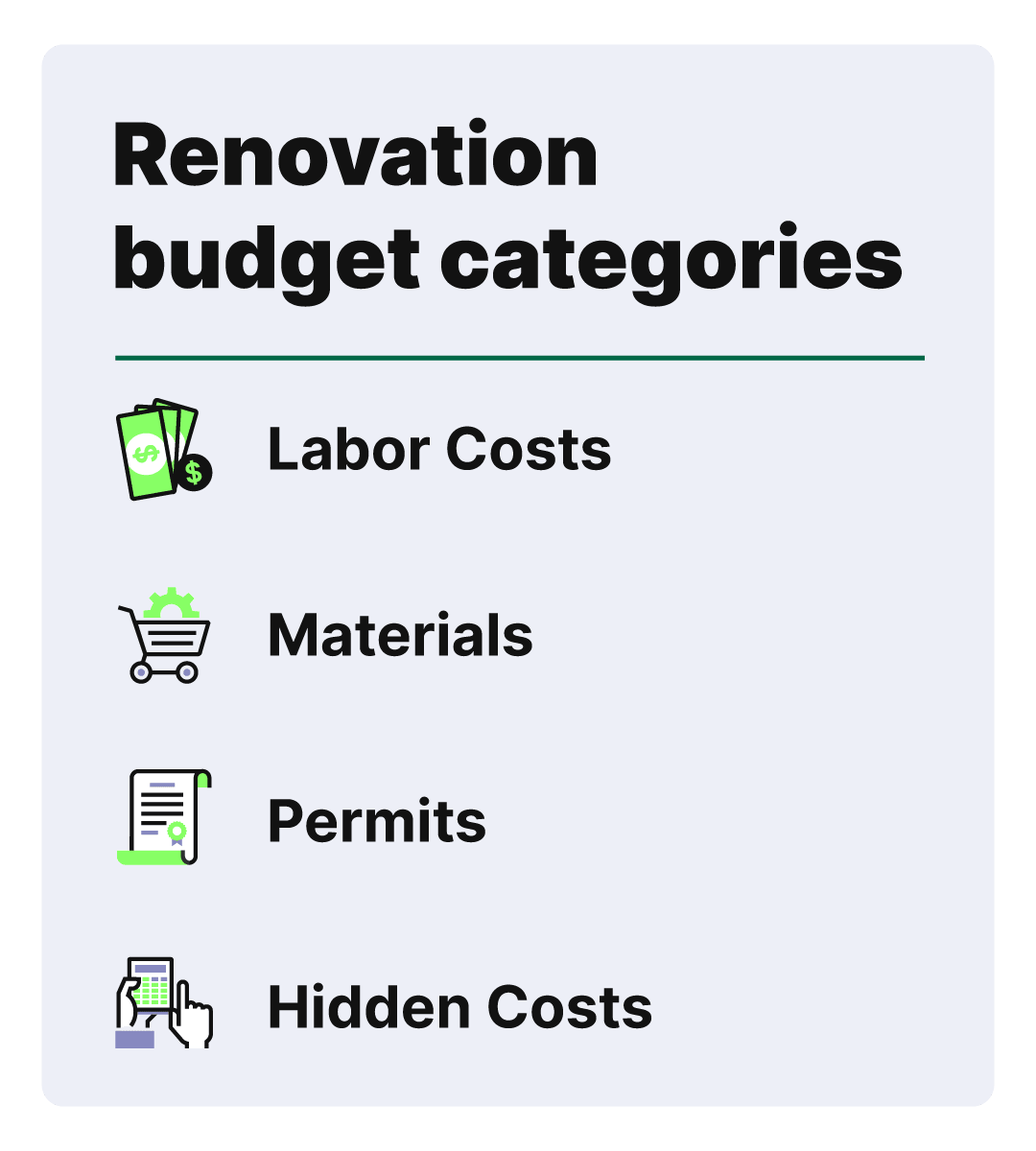
To create an effective renovation budget, you first need to understand the budget categories:
- Labor costs: how much you’re paying to contractors for their work on the project. If you’re doing the labor on your own, you may be able to keep this off your budget.
- Materials: the items you need to complete the project. These may include fixtures, fittings, appliances and equipment.
- Permits: depending on the project, you may need building permits, architectural plans, engineering reports and insurance. Check with your state and local regulations for guidance.
- Hidden costs: Reserve about 10% to 20% in your budget for surprise costs. This will ensure your plans can still come to fruition, even if there are snags.
Budgeting is about more than just getting quotes from contractors and material suppliers. You must make sure you’re planning for the unexpected.
Build Your Budget Step by Step
Now that you understand where renovation regret comes from and why building a budget is so important, let’s dive in and build your budget step-by-step.
Step 1: Define Your Project Scope First
Before you can crunch any numbers, you have to know what you want to do, and what the most important parts are.
Separate your project into needs vs. wants to guide your spending decisions. Then, prioritize your high-impact updates.
A clear project scope will help you avoid surprise costs later and help you iron out the details as your budget comes together.
Step 2: Build a Budget That Reflects Reality
Start by researching actual costs before you commit to any part of your project. This includes:
- Doing research online.
- Getting multiple estimates from contractors.
- Shopping around for materials at multiple stores.
Once you have a good idea of how much everything costs, align your project goals with what you can afford. Go back to your needs vs. wants list and narrow it down until it fits the budget.
Step 3: Add a Buffer Before You Need It
We talked about needing a contingency plan to cover surprise costs earlier and we’re going to say it again here. Because having a buffer in your budget can turn “oh no” into “no problem.”
You should set aside 10% to 20% for surprise costs that arise during your project.
And you may be wondering “if I’m planning out my project and setting my budget, do I really need a contingency plan?” The answer is ALWAYS “yes” and we’ll get into some of the reasons hidden costs pop up in the next section.
No matter how confident you are in your plan or your skills, it’s in your best interest to have a buffer in your budget. If you don’t spend the buffer, congratulations on coming in under budget!
Why Surprises Happen Mid-Project
Even the most detailed home renovation budget cannot account for everything upfront.
One of the most common surprises is structural or system-related, like outdated or incorrect wiring or plumbing, or other issues like water damage.
Design changes also play a role. Once materials are ordered or spaces start to take shape, it is natural to rethink finishes, layouts, or features. Small upgrades can add up, especially when they were not part of the original scope.
There are also everyday costs that get overlooked. Temporary housing, dining out during a kitchen remodel, or extended project timelines can quietly add to the total cost. These expenses are easy to miss during early planning but become real once construction begins.
How to Pay for a Renovation Without Overextending
When choosing how to pay for renovations, it’s important to plan out your financing ahead of time. Your financing shouldn’t be reactive to your decisions.
You can finance your project, use your savings or do a combination of both.
Your financing options include:
- Home equity loans (closed-end and HELOC)
- Credit cards
- Home improvement loans
Additionally, you can use a CD to help you save for your renovation project.
Learn more about financing and savings options, as well as how to know which is right for your project, check out our article about renovations that add value to your home.
Renovation with a Plan, Not a Reaction
The success of your renovation project should be measured by your preparation, not perfection. If you made a plan that was realistic and you stayed within budget, that’s a successful renovation project.
If you’re ready to explore your financing options, learn more about home equity loans and home improvement loans.