5 Tips for Sticking to a Budget This Year
Set goals, track your spending, and finally stick to your budget.
Published Friday, January 2, 2026
Ever start a budget in January only to find yourself off track by April? You’re not alone—and you don’t have to ride that cycle again.
Budgeting isn’t about deprivation. It’s about categorizing and monitoring your transactions so you can be more mindful about your spending.
To help you get on track, here are five tips for sticking to a budget this year.
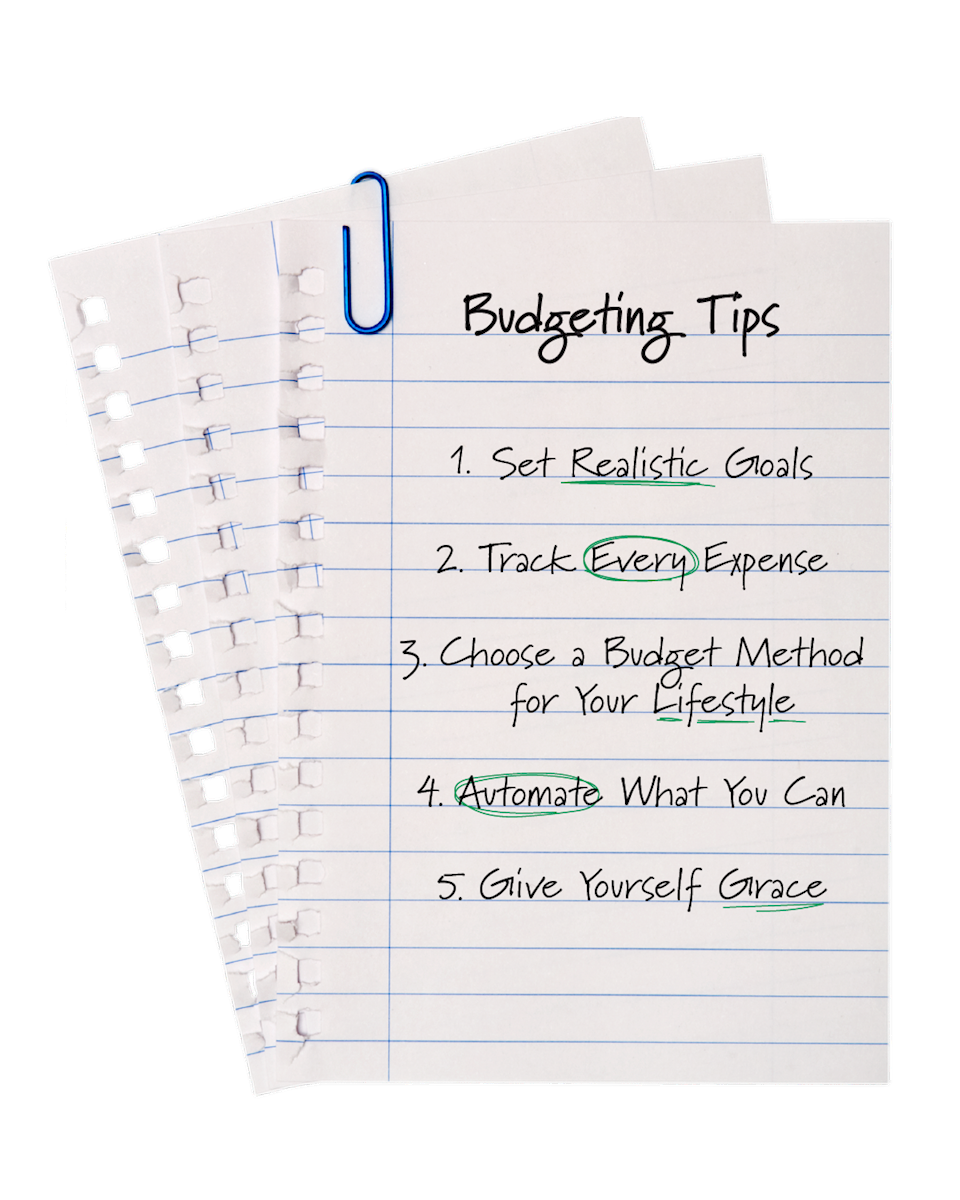
Set Realistic Goals
Before you dive into spreadsheets, take a second to think about why you want to stick to a budget. Hopefully it’s because you have some goals in mind.
If you’re new to budgeting, or if you’re resetting your financial mindset, it’s best to start small. Start with one, or a few, short-term goals.
And when you’re setting your goals, make sure they’re SMART goals. SMART stands for:
Specific
Measurable
Achievable
Relevant
Time-bound
Check out this article from the Minnesota Department of Health to learn more about setting SMART goals.
A few examples of some SMART goals to start with are:
Save $1,000 this year.
Spend 30% less on dining out.
Pay off one credit card.
When your goal is defined, use that as the anchor for your budgeting plan. If you’re working off the foundation of our Financial Refresh Guide, you’ll already have a clearer view of where you are and where you want to go.
Then align your budget to that vision.
Track Every Expense Without Overcomplicating It
The most basic principle in budgeting is simply knowing where your money is going. According to NerdWallet, regularly monitoring your spending—via apps or spreadsheets—lets you spot patterns and make smarter decisions.
While the die-hard fans of budgeting and personal finance may use spreadsheets to manually monitor their spending, you can make it a lot easier for yourself with online tools and automation.
If you’re a Veridian member, a good place to start is with the budgeting tool in the Veridian mobile app. Here, you can name your budget and easily categorize your spending for each account.
Or, if you’re not a Veridian member, there are tools available online like, Mint or Rocket Money, that help you categorize your spending and monitor your budget. Do your own research to find a tool that works for you.
Choose a Budget Method That Fits Your Lifestyle
There’s no one “right” budgeting method—what matters is choosing one you’ll stick with. Whether you adopt the 50/30/20 rule, zero-based budgeting, or the envelope method, pick based on your style and preferences.
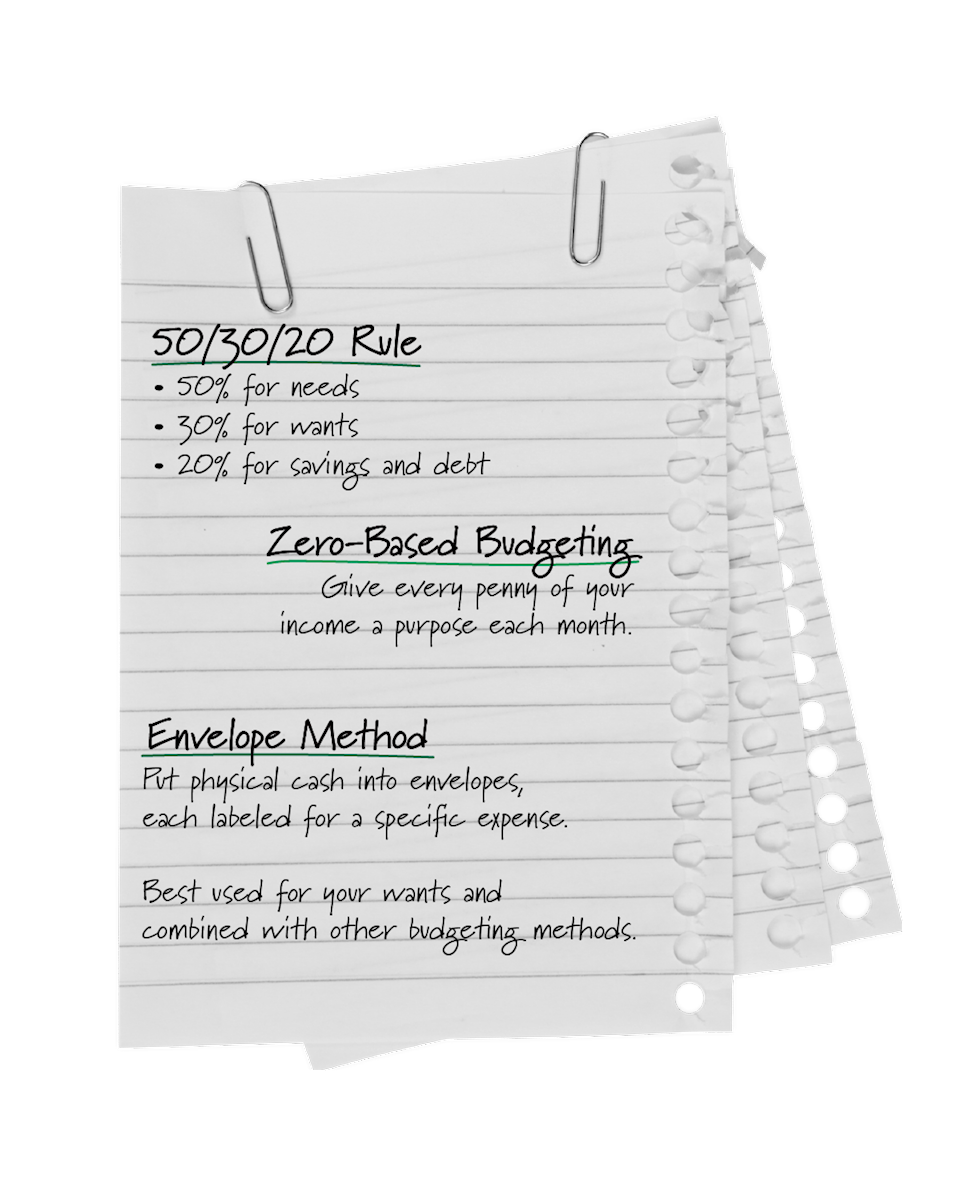
For example, NerdWallet offers a free monthly planner and discusses how the 50/30/20 breakdown can serve as a helpful baseline.
If you’re the type who needs structure, consider zero-based budgeting where you assign every dollar a job. If you’d rather focus on fewer categories, the 50/30/20 rule might feel less burdensome.
Whatever you choose, use your banking app’s budgeting tool to simplify categorization and monitoring, so you spend less time managing and more time progressing.
Automate What You Can
One of the best tips for sticking to a budget is to automate what you can. Automatic transfers for savings and loan payments removes temptation to spend that money on other things.
Here’s how to set things up:
- Automate transfers to savings or an emergency fund right after payday. You may be able to divide your direct deposit from your paycheck with your employer.
- Set recurring payments for essential bills.
- Use your budgeting app’s alert feature to let you know when you’re approaching category limits (for example: dining out, entertainment).
When your system handles the “boring but essential” tasks, mental energy can be used for the rewarding parts, like planning for goals or treating yourself (within your budget).
Give Yourself Grace and Adjust as Needed
Everyone overspends and treats themselves from time to time. Doing this doesn’t mean you’ve failed.
But when you have a budget in place, you can give yourself some grace, because you’ve created the roadmap to get back on track. Afterall, budgeting is a monthly process.
If you overspend one month in one category, don’t abandon the plan—adjust the next month’s allocation. Monitor trends, not just individual incidents. Use your app’s spending-summary reports to see where you drifted and how you can pivot.
Final Thoughts: Tips For Sticking to a Budget
Sticking to a budget isn’t about perfection. It’s about consistency, awareness, and using the right tools to support yourself. By setting realistic goals, tracking spending, choosing a method that fits your life, automating what you can, and giving yourself room to learn, you’re far more likely to succeed.
And the good news? You’re not doing this alone. With the budgeting feature built into your online banking app, you have a built-in tool that helps categorize spending, alert you to trends, and reinforce the habits you want.
Combine that with the strategies above and the deeper guidance in our Financial Refresh Guide for a powerful one-two punch.
Ready to go? Start today with one of these five tips—and by this time next year, you’ll thank yourself for sticking with it.
Read the Financial Refresh Guide Learn More: Veridian Online Banking